Top 10 U.S. National Parks: Fast Facts & Trip Planner
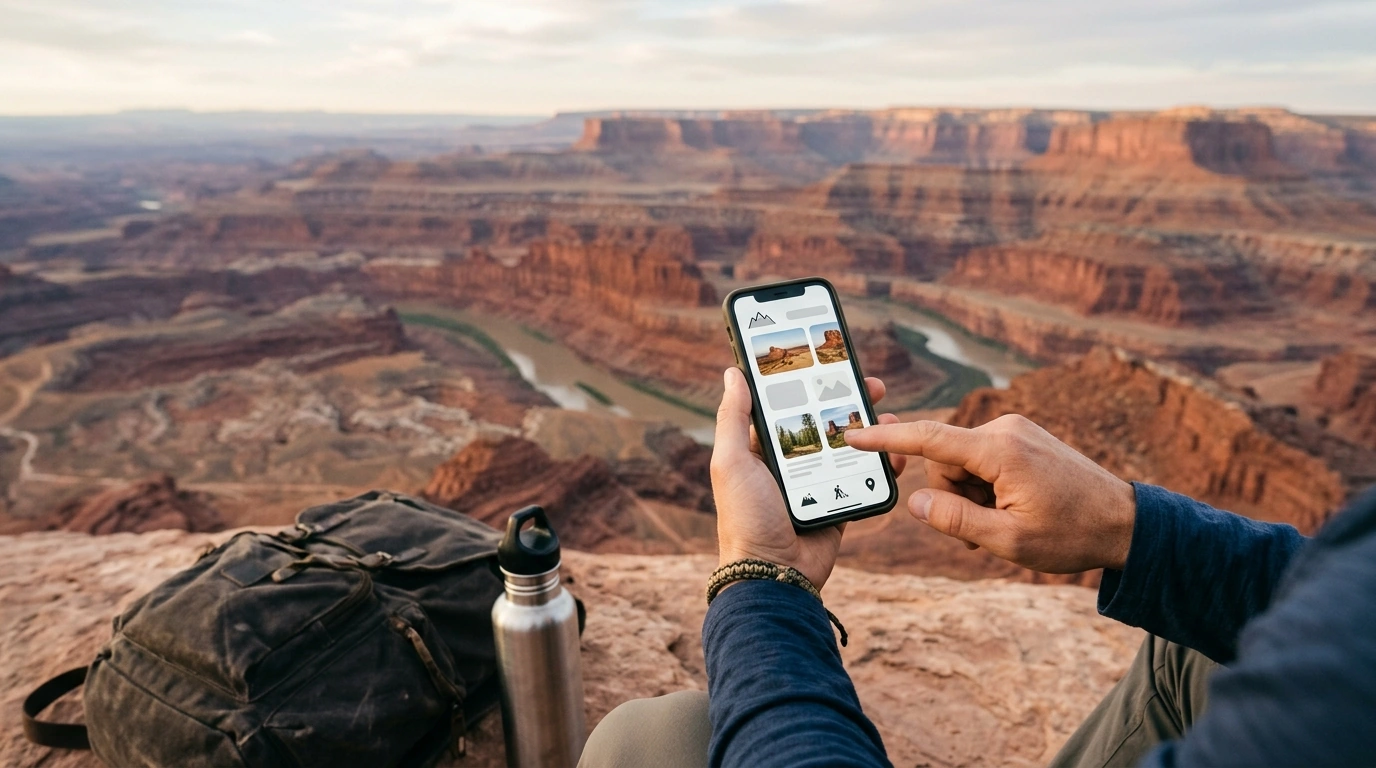
Top 10 Must-See U.S. National Parks + Fast Facts: A Pocket-Sized Plan for Big Landscapes
Some trips start with a pin on a map. The best ones start with a plan that fits real life—available days off, fitness level, weather windows, crowd tolerance, and the kind of scenery that feels like a reset. Our “Top 10 Must-See U.S. National Parks + Fast Facts” digital travel guide eBook is built for that moment: quick to skim, easy to save on your phone, and packed with practical details that help you choose the right parks and line up a smoother itinerary.
What this digital travel guide is designed to do
- Make park selection easier when time and budget are limited (a clear shortlist beats endless tabs).
- Deliver fast facts that support real planning: what a park is known for, what to prioritize, and what to prep.
- Help you shape a flexible itinerary that works for different travel styles—scenic drives, day hikes, viewpoints, or bigger mileage days.
- Reduce decision fatigue with a simple, repeatable approach: pick a landscape, pick a season window, match activities to your energy level.
Who it’s for (and when it’s most useful)
- First-time national park travelers who want a reliable starting point without getting lost in research.
- Hikers building a trip around trail time, sunrise/sunset windows, and “one big hike + one easy day” pacing.
- Road-trippers stacking multiple stops who need quick comparisons between parks.
- Gift-givers looking for a practical digital guide that’s usable immediately.
- Most useful during the planning phase (weeks ahead) and again on-the-go for quick reminders and prioritization.
A simple planning flow for national park trips
- Start with the experience: mountains, desert, canyons, coastline, forests, wildlife viewing, or iconic viewpoints.
- Match the season: aim for shoulder seasons when possible to balance weather and crowds.
- Choose your “trip anchors”: 1–2 non-negotiables (a signature viewpoint, a famous drive, a must-do hike).
- Build days around energy: alternate high-output days with recovery/scenic days.
- Confirm the essentials early: lodging strategy, park entry approach, closures/road conditions, and any timed-entry needs.
For official trip logistics and current conditions, our team recommends checking the National Park Service planning hub (NPS — Plan Your Visit) and reservations/permits where applicable (Recreation.gov).
Quick park-picking worksheet (use this before you book anything)
Use the table below to narrow to 2–3 parks that fit the season, the group’s comfort level, and the trip length. Once your shortlist is set, choose one park as the main focus and keep the others as optional add-ons.
Fast comparison table for choosing the right park vibe
| If you want… | Best trip shape | Typical sweet spot | Plan-ahead note |
|---|---|---|---|
| Iconic viewpoints and easy wins | Scenic drives + short hikes | Shoulder seasons | Arrive early for parking; consider timed-entry where applicable |
| Big hiking days and elevation | 3–5 days centered on trails | Summer/early fall (varies by region) | Check trail conditions; pack layers and sun protection |
| Desert colors and wide-open skies | 2–4 days with sunrise/sunset focus | Cooler months | Hydration plan matters; confirm heat advisories |
| Wildlife and slow mornings | 4–7 days with flexible pacing | Varies by species/region | Keep distance; bring binoculars; know road rules |
| Waterfalls, lakes, and forests | Long weekend to week | Late spring to early fall | Expect changeable weather; plan rain-ready layers |
On-the-go essentials that make the trip smoother
- Pack for conditions, not hopes: layers, sun protection, extra water, and a basic emergency buffer (snacks + warm layer).
- Start earlier than feels necessary: morning hours often mean better light, fewer crowds, and easier parking.
- Keep one “weather-proof” backup plan per day: a scenic drive loop, visitor center stop, or lower-elevation trail option.
- Leave No Trace mindset: stay on trails, store food properly, and respect wildlife distance.
- Save key details offline: confirmations, directions, and your daily must-do list.
If you need a refresher on low-impact travel, we point travelers to the Leave No Trace Seven Principles before heading out.
How to get the most value from a fast-facts guide
Featured digital downloads from our team
Top pick for trip planning
Our featured download is Top 10 Must-See U.S. National Parks + Fast Facts | Digital Travel Guide eBook for Nature Lovers, Hikers & Adventure Planners (digital download, $45.99). It’s made for quick comparisons and confident choices—so you spend less time researching and more time locking in a trip shape that fits your days off.
Two add-ons that help with real-world travel
- Must-Know Pet First-Aid Cheat Sheet | Emergency Printable Guide for Pet Owners | Vet Tips — useful if you travel with a dog and want a simple emergency reference you can keep saved offline.
- A Guide to Safe Space Mapping | Digital Ebook on Understanding, Creating & Using Safe Spaces — helpful for travelers who like to plan personal “reset points” and routines, especially on longer trips where downtime matters as much as mileage.
FAQ
Is this guide better for first-time park trips or experienced hikers?
It supports both: first-timers get a clear shortlist and a simple planning structure, while experienced hikers can use it to compare parks quickly and build an efficient, hike-forward itinerary.
Does a fast-facts guide replace official park updates?
No—use it as a planning companion. You should still check current alerts, closures, and permit requirements close to departure and during your trip.
How should the eBook be used on a trip?
Save it to your phone or tablet for quick access, then use the “must-do vs. optional” mindset to make fast decisions when weather, crowds, or energy levels change.












Leave a comment